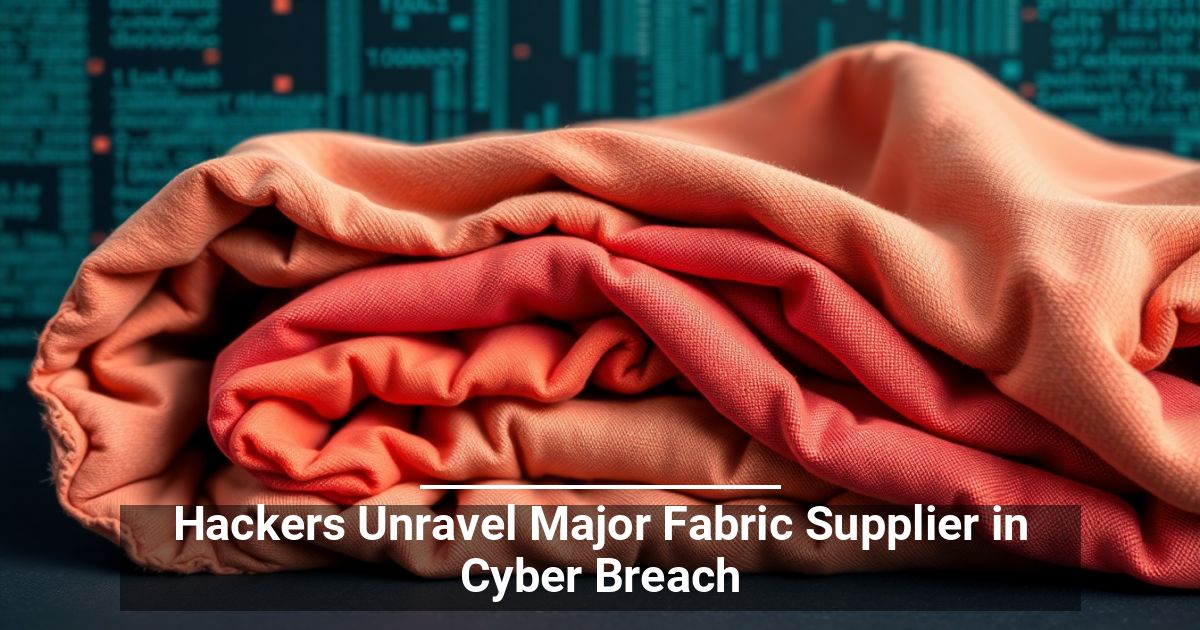
 European textile manufacturer Fulgar isn’t a name most consumers know, but it just made headlines for a serious cyber incident. The company confirmed that it fell victim to a fabric supplier cyber breach at the hands of the ransomware group RansomHouse.
The company is no small business; they’ve been around since 1976 and supply industry giants like Adidas, H&M, and Wolford. This RansomHouse extortion attack shines a harsh light on the vulnerabilities in supply chains that many businesses overlook.
The Details of the Attack
On November 12, RansomHouse added Fulgar to the “wall of shame” on their dark-web leak site. The criminals claim they locked the company’s files on October 31 and have been sitting on the data ever since.
To prove it, they posted screenshots showing folders full of invoices, bank records, internal chat logs, customer spreadsheets, and financial documents. Fulgar has since confirmed that they experienced a “cybersecurity incident.”
A textile supplier breach sounds like it’s just a fabric industry risk until you realize that it shows how one compromised player can create chaos for hundreds of downstream brands. Think of your suppliers as dominoes. When one falls, it can topple a dozen others downstream, and the fallout of a supply-chain ransomware hit like this can delay orders for months.
Why the Fulgar Cyberattack Should Matter to You
For companies in the fashion and textiles industry, a fabric supplier cyber breach like Fulgar’s can be an operational nightmare. One hacked supplier could throw a wrench in your whole production line. Orders get delayed, shipments stall, and sensitive data could fall into the wrong hands.
But it’s not just about production delays. There’s reputational risk, too. Consumers, investors, and partners may question the security of your operations if you’re connected to a compromised supplier.
What You Can Do To Protect Your Business
Even if your company isn’t in the textile industry, you need to take steps to protect it from security lapses in the supply chain. This means:
Vet Your Suppliers
Ask your suppliers tough security questions and demand proof that they take security seriously.
Back Up and Segment Data
Ensure your company’s data is backed up and segmented separately from your supplier networks so a third-party breach can’t cascade into your systems.
Update Security Protocols
Keep firewalls, antivirus software, and intrusion detection systems current. Train staff to spot the phishing emails that are common ransomware entry points.
Develop a Contingency Plan
Have a clear action plan if a supplier suffers a breach.
Require Multi-factor Authentication
Ransomware crews use stolen VPN or RDP credentials, and suppliers that aren’t using MFA on every remote access point are vulnerable.
Learning From Fulgar’s Cyberattack
The Fulgar cyberattack is a reminder that supply-chain ransomware doesn’t care if you’re a $2 million boutique brand or a $2 billion conglomerate. Cybersecurity is a shared responsibility across your supply chain.
Being proactive when you hear about incidents like the fabric supplier cyber breach, rather than reactive, can keep your company on the right track.