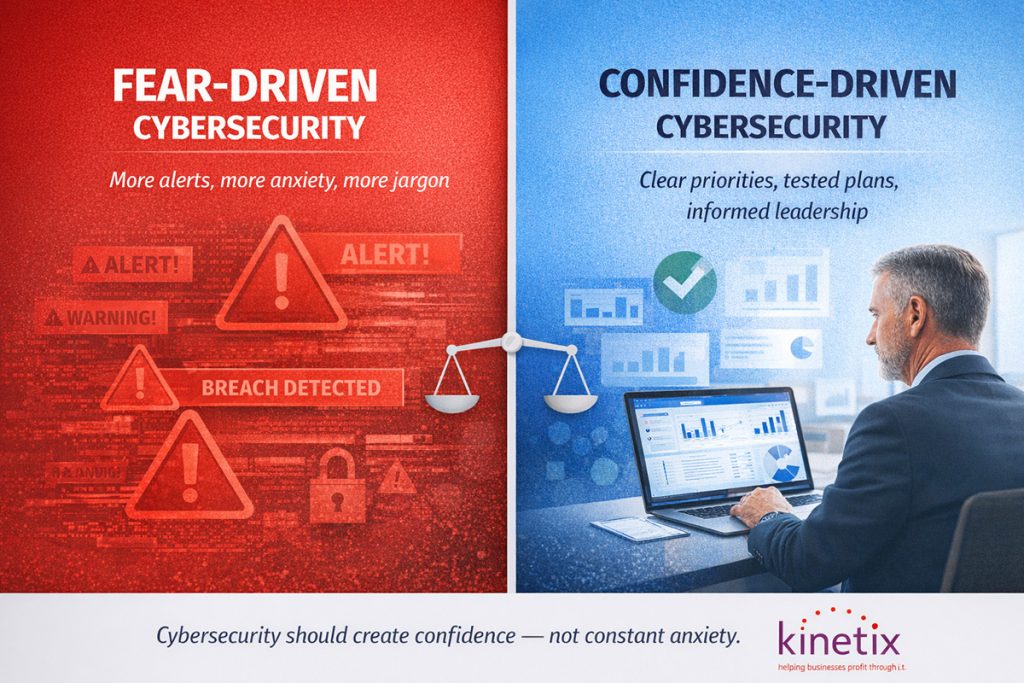
Most cybersecurity conversations with business leaders still sound the same…
“You’re going to get hacked.”
“Your business could shut down tomorrow.”
“You need more tools.”
“You’re vulnerable.”
None of that is wrong… but it’s not helpful.
At this point, most business owners and executives have heard it all before. More fear doesn’t lead to better decisions… it usually leads to hesitation or spending money on something that doesn’t actually fix the problem.
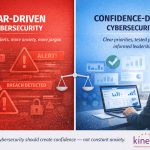
The bigger issue is a lot of MSPs are still selling security like it’s 2015… more alerts, more noise, more jargon, more scary statistics.
That’s not what leadership teams are looking for.
What they actually need is someone who understands how technology impacts the business… and can translate risk into something practical.
It starts with operational resilience… if something breaks, the business keeps moving. Systems fail, people adapt, and customers aren’t impacted.
Business continuity is part of that… there’s a real plan in place, and it’s been tested. The team knows how to keep working during and after an issue. No scrambling, no guessing… just a clear path forward.
Then there’s prioritization… not every risk deserves the same attention. The focus should be on what could actually disrupt the business… not chasing every alert that shows up in a dashboard.
Compliance needs to be handled the same way… meet the requirements without making operations harder than they need to be. Whether it’s HIPAA, PCI, or anything else, it should support the business… not slow it down.
Cyber insurance is becoming part of the conversation too… your security posture directly affects whether you can get coverage and what you’re paying for it. That shouldn’t be something you figure out during a claim.
At the leadership level, it comes down to accountability… owners and executives need clear, usable information so they can make decisions. Not technical reports… real insight into financial and operational impact.
And security shouldn’t get in the way of growth… it should support it. The right setup makes it easier to expand, support remote teams, and move faster without taking on unnecessary risk.
The organizations that will be in a strong position over the next decade won’t be the ones buying the most tools… they’ll be the ones building discipline around their processes, their people, and how decisions get made.
Cybersecurity, done right, builds confidence… it doesn’t create constant anxiety.
That’s the difference between a vendor and a true partner.
If you want a clearer picture of what that looks like in your environment, we are always open to a conversation… no pressure, just a practical discussion around where you’re at and where you want to go.